Claude’s Super Bowl ads hit a nerve – so is 2026 the year of AI advertising?

Author George Dickin
Paid advertising

Claude’s Super Bowl ads hit a nerve – so is 2026 the year of AI advertising?

Although the implementation of advertising to ChatGPT sits firmly in the middle square of my 2026 bingo card, I am surprised to be checking it off so early.

Sam Altman’s ‘code red’ on the topic has become a green light, as revealed by OpenAI’s statement on January 16th, which promised the rollout of ads in the US “over the coming weeks”. I, personally, breathed a sigh of relief at this announcement. Not as a marketer who shall be at the forefront of exploring new terrain, but as a follower of OpenAI’s successes and challenges over 2025. Their $7.8 billion loss in H1 2025 and growing rumours of the dreaded ‘AI Bubble’ were a ticking clock, exacerbated further by an ongoing lack of consistent revenue. The platform has been in desperate need of reliability, and as Henry Ajder astutely points out, “advertising is a revenue source which is reliable.”

The announcement arrives painfully close (and, critically, five days after) Google’s announcement of paid options in AI-driven Shopping, complete with in-app checkout options and specialised discount codes for shoppers displaying strong purchase intent.

OpenAI has disclosed few details regarding their new advertisement offering; paid listings will be shown at the base of the chat, clearly delineated and labelled to differentiate from organic results.

Fidji Simo’s statement focuses on the user experience, predicting and assuaging initial fears about data privacy and the integrity of LLM results. Users can turn off personalisation, request that any historical advertising data be deleted, all practices made standard by Google and other advertisers. 

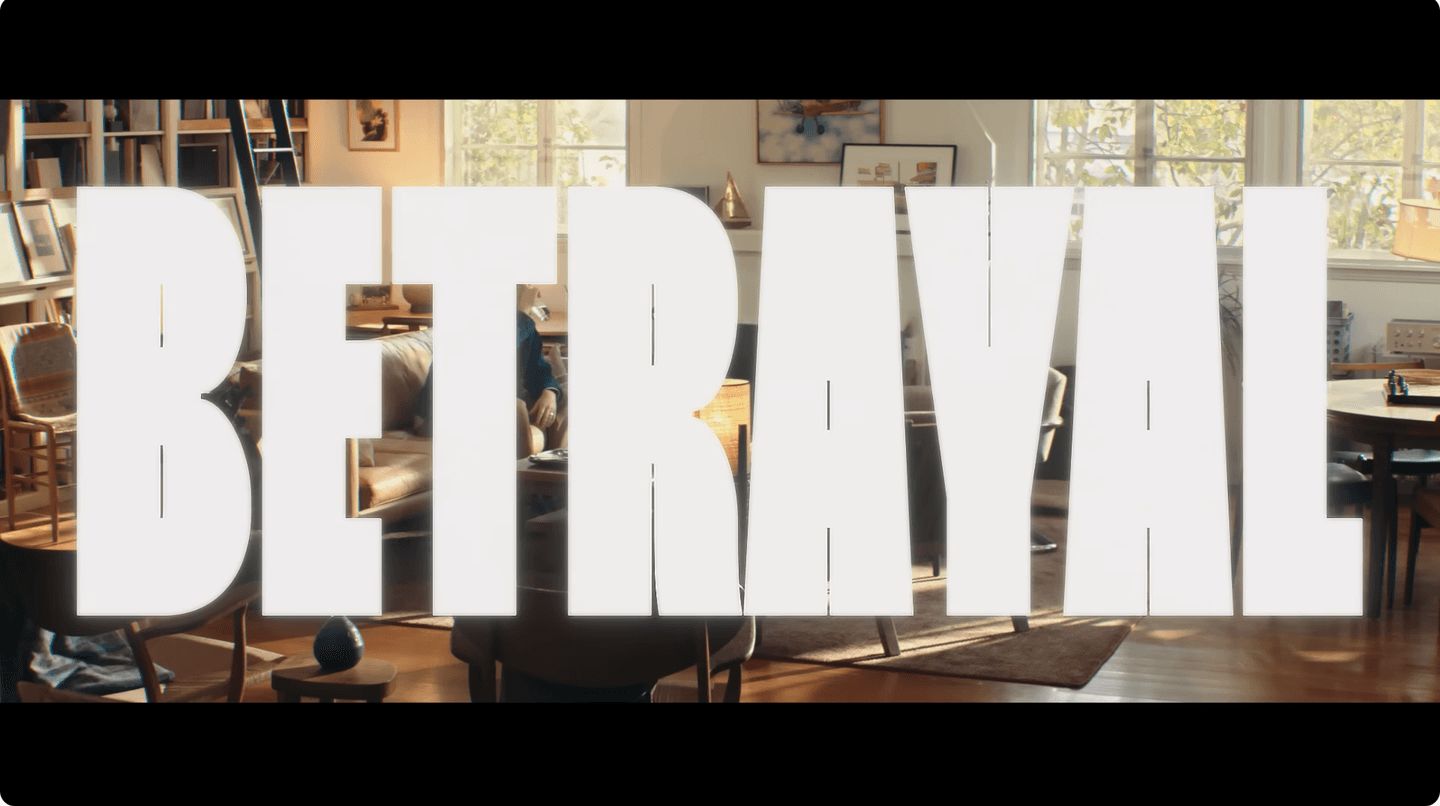
Claude AI has been happy to fan the flames of potential user worries, releasing a Superbowl advertisement presenting a theoretical scenario in which a user’s questions about how to communicate with his mother is sidetracked into dating sites by paid listings. The advert’s subtext becomes supertext as the word ‘BETRAYAL’ dominates the screen in the first few seconds.

OpenAI’s reassurances demonstrate a clear concern that this news will turn users away, a danger that will be exacerbated by the existence of ad-free competitors. The weekly ChatGPT user figures of 800 million are a major draw for advertisers, but their very presence could turn away new or even existing users. The announcement also clarifies that the paid users of ChatGPT (excluding ChatGPT Go) and under-18s will be spared from the test, at least for now. We have seen this ‘Freemium/Hybrid’ model rolled out across many platforms, notably YouTube, the prospect of avoiding advertisements acting as an additional incentive to the existing perks of additional uploads and expanded reasoning.

What we do know

OpenAI has disclosed few details regarding their new advertisement offering; paid listings will be shown at the base of the chat, clearly delineated and labelled to differentiate from organic results.

Fidji Simo’s statement focuses on the user experience, predicting and assuaging initial fears about data privacy and the integrity of LLM results. Users can turn off personalisation, request that any historical advertising data be deleted, all practices made standard by Google and other advertisers. 

Claude AI has been happy to fan the flames of potential user worries, releasing a Superbowl advertisement presenting a theoretical scenario in which a user’s questions about how to communicate with his mother is sidetracked into dating sites by paid listings. The advert’s subtext becomes supertext as the word ‘BETRAYAL’ dominates the screen in the first few seconds.

OpenAI’s reassurances demonstrate a clear concern that this news will turn users away, a danger that will be exacerbated by the existence of ad-free competitors. The weekly ChatGPT user figures of 800 million are a major draw for advertisers, but their very presence could turn away new or even existing users. The announcement also clarifies that the paid users of ChatGPT (excluding ChatGPT Go) and under-18s will be spared from the test, at least for now. We have seen this ‘Freemium/Hybrid’ model rolled out across many platforms, notably YouTube, the prospect of avoiding advertisements acting as an additional incentive to the existing perks of additional uploads and expanded reasoning

We're left with several key questions

From the other side, advertisers have been left with precious few details regarding how the platform will operate.

1. Targeting

The past few years have seen the rise of ‘keywordless marketing’, relying less on the manual input of a business, but trusting the analysis of AI to target the correct users. As an AI-focused company, this is an area where OpenAI could seek to outperform the competition.

2. Billing & Bidding Models

Whether OpenAI will operate on a per-click, per-mille, or some other variation of billing has not been disclosed. Google’s AI-driven models (primarily Performance Max) has stuck to a per-click system, but this could be an interesting opportunity to stand out from the status quo.

3. Average Costs

Despite impressive figures, the stated 800 million weekly users still fall short of Google’s estimated 500 trillion annual searches. This lower threshold might allow OpenAI to offer a lower-cost solution, but a smaller audience size might lead to oversaturation by advertisers. 

4. Reporting

It is already possible to review LLM traffic via GA4 and other analytics tools, but OpenAI will likely offer its own method of measurement and attribution. As mentioned, OpenAI has already stressed that no data will be shared with advertisers, but how this will impact measurement, reporting, and retargeting has not been specified. 


What comes next...

The next few weeks will be essential for OpenAI. Unlike Google, who boast the involvement of major retailers with which they’ve partnered to spearhead their new features, OpenAI stresses the benefit LLM advertising could bring to “small businesses and emerging brands”. ChatGPT will now face the challenge of building a diverse auction landscape without compromising their user-base, without the pre-existing infrastructure of Google.

Regardless of these unanswered questions, it is clear that 2026 is the year of AI advertising; how this arms race will end is unclear, but we are firmly entering a new era that will decide the fate of LLMs in our everyday lives.

George Dickin

PPC Specialist